
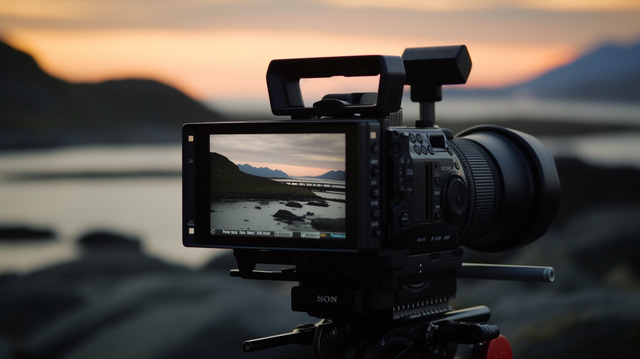
Video editing and cinematography course with certification
Video editing and cinematography course with certification; Why Deejoft Technologies Stand Out
There is a reason the world’s most successful content creators, filmmakers, and brands treat video production as a serious craft rather than a casual afterthought. A great video is never an accident. It results from intentional camera work, thoughtful editing decisions, and understanding how visuals and sound combine to move audiences. At Deejoft Technologies, the Video Editing and Cinematography Course with Certification was built for exactly this purpose: to take students from wherever they currently stand and equip them with the complete, end-to-end skill set needed to produce professional, industry-ready video content and to walk away with a certification that proves it.
This course is not two separate, disconnected classes stitched together. Furthermore, it mirrors real-world video production by guiding students from capturing quality footage to shaping powerful stories through editing. Deejoft designed the course this way deliberately, because the most sought-after video professionals today are rarely “just” a camera operator or “just” an editor. They understand the full pipeline, and that versatility is exactly what makes them valuable.
Why Learn Video Editing and Cinematography Together
Many training programs separate cinematography and editing, forcing students to choose one path or combine education from unrelated sources. Deejoft Technologies takes a different, more practical approach.
Think about what actually happens on a real project. A cinematographer who understands editing will naturally shoot footage with better coverage, cleaner transitions in mind, and an awareness of pacing because they know exactly what an editor will need later. Likewise, an editor who understands cinematography can look at raw footage and immediately understand the intention behind a shot, making smarter creative decisions in post-production rather than simply cutting clips together mechanically.
By training students in both disciplines simultaneously, Deejoft produces graduates who think like complete filmmakers professionals who can pick up a camera, capture compelling footage, and then sit down and transform that footage into a polished, emotionally resonant final product. This dual expertise is what makes Deejoft-trained professionals stand out in a competitive creative industry.
Course Overview on Video editing and cinematography
The Video Editing and Cinematography Course with Certification is structured as a progressive learning path, taking students from foundational concepts through to advanced, professional-level techniques. Every stage of the course combines theoretical understanding with hands-on practice, because Deejoft believes that video skills are built through repetition, feedback, and real application not passive learning.
By the end of the course, students will have:
- A strong command of camera operation and cinematographic technique
- Practical, working knowledge of professional editing software
- The ability to plan, shoot, and edit a complete video project from start to finish
- A personal portfolio of edited work demonstrating their capabilities
- An official certification from Deejoft Technologies recognizing their completion of the program
Module Breakdown
Module One: Understanding the Language of Video
The course begins by building a shared vocabulary about frame, camera angles and the basic grammar of visual storytelling. Before learning editing software, students develop a solid understanding why certain shots and cuts work while others fall flat.
Module Two: Cinematography Fundamentals
This module dives into hands-on camera training. Students learn to operate cameras confidently, master exposure. They also apply composition principles like the rule of thirds, framing, depth, and leading lines. In addition, they learn to use natural and artificial lighting to create mood and clarity.
Module Three: Camera Movement and Advanced Shooting Techniques
Students explore more advanced shooting techniques, including handheld movement, stabilized shots, tracking shots, and camera movement. This module also covers shooting for different purposes interviews, b-roll, event coverage, and narrative scenes. Each of which requires a slightly different approach.
Module Four: Introduction to Video Editing Software
Once students have strong raw footage to work with, the course transitions into post-production. Students learn industry-standard editing software, master interfaces, organize footage efficiently, and understand complete editing workflows from import through final export.
Module Five: The Art of the Cut
Additionally, this module explores editing as an art, focusing on pacing, rhythm, and the emotional impact of cuts. Students learn continuity editing, jump cuts, match cuts, and how to build sequences that feel seamless and intentional rather than choppy or confusing.
Module Six: Color Correction and Color Grading
Raw footage rarely looks its best straight out of the camera. In this module, students learn color correction and grading differences, enhancing final videos with a polished, professional appearance.
Module Seven: Sound Design and Audio Editing
Great video is never just visual. This module covers audio cleanup, balancing dialogue and background music, adding sound effects, and understanding how audio quality directly affects how professional a video feels to its audience.
Module Eight: Motion Graphics and Titles
Students are introduced to basic motion graphics animated titles, lower thirds, and simple transitions giving their projects a more dynamic, contemporary feel without needing to become a full-time motion designer.
Module Nine: Storytelling and Structure
Technical skill means little without a compelling story to tell. Additionally, this module develops storytelling skills through narrative structure, pacing, and techniques that keep audiences engaged throughout a video.
Module Ten: Final Capstone Project
Every student completes a full capstone project planning, shooting, and editing a complete video from concept to final export. Additionally, this project becomes the centerpiece of students’ portfolios, demonstrating their readiness for real client and industry work.
Certification: What It Means and Why It Matters
Upon successful completion of the course, students receive an official certification from Deejoft Technologies. This certification represents verified, hands-on training across the complete video production pipeline, from camera to final cut.
In today’s creative industry, employers value practical skills. A certificate from a recognized, structured training program like Deejoft Technologies gives graduates an added layer of credibility. Additionally, it signals to potential clients, employers, and collaborators that graduates completed rigorous, hands-on training beyond self-teaching. Certification also provides a meaningful sense of accomplishment and closure.
Software and Tools Covered
Throughout the course, students gain practical experience with industry-standard video editing tools, learning workflows that mirror what is used in real production houses, media agencies, and freelance projects. Rather than teaching software in isolation, Deejoft integrates tool training directly into practical projects, so students learn editing software the way professionals actually use it: to solve real creative problems, not just to click through menus.
Camera equipment training similarly reflects real-world industry tools, ensuring that whatever equipment students later work with whether a smartphone, mirrorless camera, or professional cinema camera the underlying principles they’ve learned transfer smoothly.
Who Should Enroll for Video editing and cinematography course with certification?
The Video Editing and Cinematography Course with Certification is built to serve a broad range of learners:
- Aspiring filmmakers who want a complete foundation in both production and post-production
- Content creators looking to elevate the quality and consistency of their video output
- Freelancers who want to offer full-service video production, from filming to final delivery
- Small business owners and entrepreneurs who want to produce their own marketing and promotional videos in-house
- Photographers expanding their skill set into video work
- Career changers looking to enter Nigeria’s growing creative and media industry with a credible, certified skill set
- Students and young professionals seeking a practical, marketable skill that doesn’t require years of formal university study
Furthermore, the training builds skills progressively, supporting beginners while challenging experienced learners with prior knowledge and skills.
The Deejoft Learning Experience
What sets this course apart is not just its curriculum, but the way it is taught. Deejoft Technologies places a strong emphasis on hands-on, project-based learning. Instead of focusing on endless theory, students shoot footage, edit sequences, and build real projects early in the program.
Instructors work closely with students, offering personalized feedback on both their camera work and their edits. This one-on-one attention ensures that students aren’t just completing assignments they’re genuinely improving, developing their own creative style, and building the confidence to defend their creative choices, a skill that matters enormously when working with real clients later on.
Moreover, the institute maintains manageable class sizes, ensuring personal, meaningful mentorship instead of a disconnected large lecture hall experience.
Building a Career With Video editing and cinematography course with certification
Graduates of the Video Editing and Cinematography Course with Certification leave with more than just knowledge they leave with a tangible portfolio of work and a certification that backs it up. This combination opens doors across multiple career paths:
- Freelance video editing and cinematography services for weddings, events, and corporate clients
- Content creation and video production for brands and social media
- Working within production houses, media agencies, or in-house corporate media teams
- Documentary and short film production
- Music video and commercial work
- Building a personal brand or channel with professional-grade production value
- Offering full-service video packages shooting and editing to clients who want a single, reliable provider rather than juggling separate specialists
Because the course covers the complete pipeline from camera to final export, graduates are especially well-positioned to work as independent, full-service video professionals a role that is increasingly in demand as businesses and individuals look for one skilled person who can handle an entire project rather than assembling a large crew.
Flexible Learning Designed Around Real Life
Deejoft Technologies understands that students juggling work, school, or business commitments need a training structure that respects their time. This course offers practical training with flexibility in mind, allowing students to progress through modules in a structured but manageable way, ensuring depth of learning is never sacrificed for convenience.
Frequently Asked Questions (FAQs) about Video editing and cinematography course with certification
Do I need prior experience in either editing or cinematography?
No. This course helps to take complete beginners through both disciplines from the ground up, while still offering enough depth to benefit those with some existing experience.
Will I need my own equipment or software while learning Video editing and cinematography course with certification?
Students get hands-on access to training equipment and software throughout the course, allowing you to learn and practice fully as part of the program.
What kind of certification will I receive after Video editing and cinematography course with certification?
Graduates receive an official certification from Deejoft Technologies confirming successful completion of the full Video Editing and Cinematography Course.
Will I Have a Portfolio After Completing the Video Editing and Cinematography Course with Certification?
Yes. The capstone project, along with other assignments completed throughout the course, forms the foundation of a personal portfolio you can present to future clients or employers.
Is this course only for people who want to work in film, or can content creators benefit too?
Both. The course is equally valuable for narrative filmmakers, documentary creators, brand content producers, and everyday content creators who want their videos to look and feel significantly more professional.
Conclusion
Video content is not slowing down it is becoming more central to how brands communicate, how stories get told, and how creative careers get built. The professionals who thrive in this space are the ones who understand both sides of the camera: the art of capturing a shot, and the craft of shaping it into something meaningful in the edit.
Deejoft Technologies’ Video Editing and Cinematography Course with Certification was built to produce exactly that kind of well-rounded, industry-ready professional. Whether you’re starting from complete scratch or looking to formalize skills you’ve already been building on your own, this course offers a structured, mentorship-driven path to genuine, certified competence.
Reach out to Deejoft Technologies today to learn more about enrollment, course schedules, and how you can begin building your certified career in video editing and cinematography.