
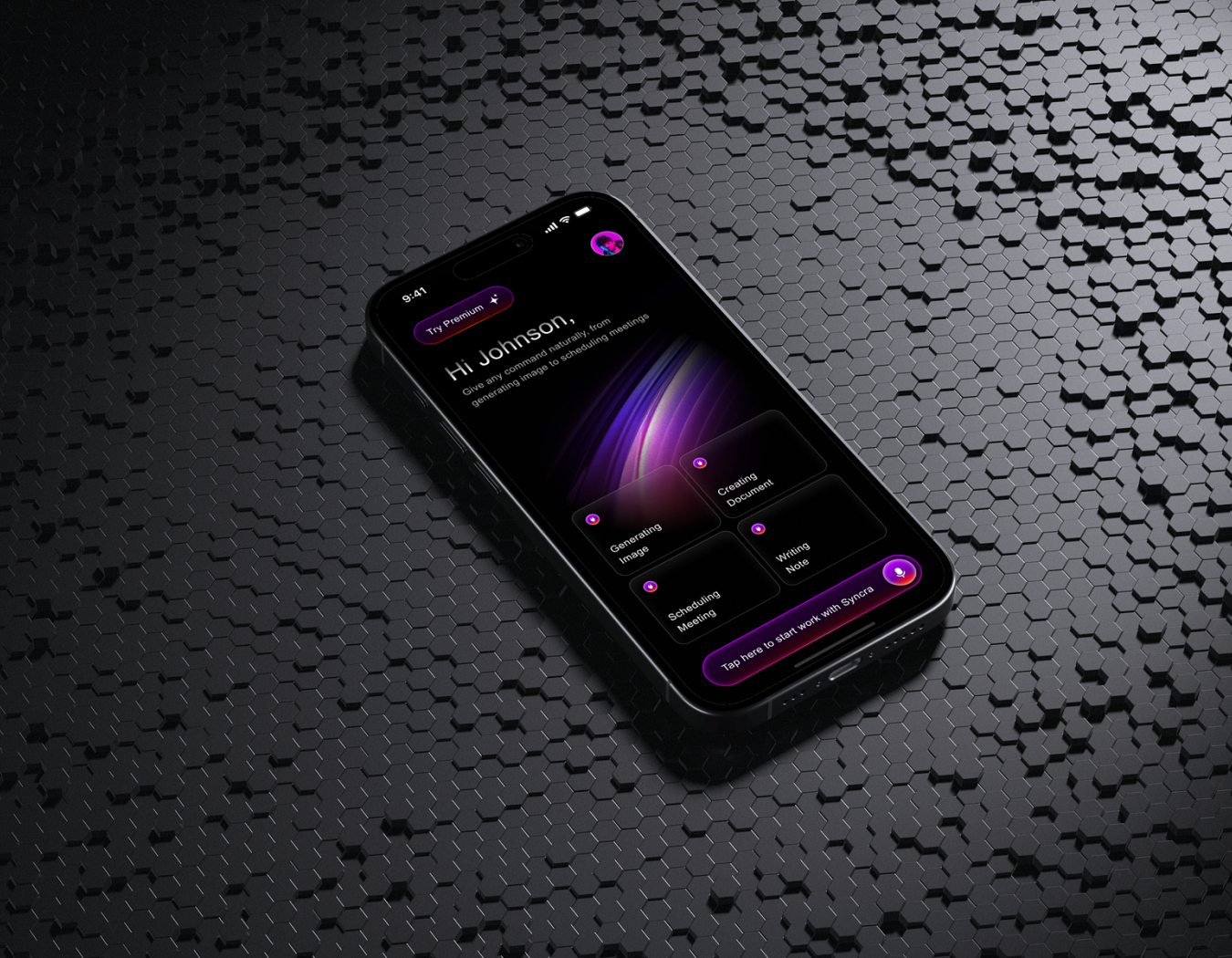
Affordable Mobile App Development Services in Nigeria
Affordable Mobile App Development Services in Nigeria
Businesses across Nigeria are increasingly adopting mobile applications to reach customers, improve operations, and deliver digital services. However, developing a mobile application can seem expensive, especially for startups and small businesses working with limited budgets. This is why Affordable Mobile App Development Services in Nigeria have become an important option for organizations that want practical digital solutions without unnecessary development costs.
Affordable development does not mean removing important features or compromising application quality. Instead, it involves choosing suitable technologies, prioritizing essential functionality, planning development carefully, and avoiding unnecessary complexity.
For businesses, the goal should be to create an application that solves a real problem while remaining manageable within the available budget. For aspiring developers, learning how to build efficient applications can create opportunities to support startups and businesses with practical technology solutions.
Deejoft Technologies is a technology institute that teaches students practical software development skills. Through structured training and hands-on projects, students can learn mobile application development, programming, databases, APIs, testing, version control, and other skills needed to create modern applications.
What Are Affordable Mobile App Development Services?
Affordable mobile app development involves creating useful and reliable applications while managing development costs carefully.
The final cost of an application depends on several factors, including:
- Number of features
- Application complexity
- Design requirements
- Development platform
- Backend infrastructure
- API integrations
- Payment systems
- Security requirements
- Testing
- Maintenance
A simple application with a few core features will usually require fewer development resources than a large platform with complex integrations.
Businesses can control costs by identifying the features they actually need.
Why Businesses Need Affordable Mobile Applications
Mobile applications can provide businesses with a direct connection to their customers.
A well-designed application can help businesses:
- Reach customers
- Increase engagement
- Improve communication
- Accept payments
- Manage orders
- Provide services
- Automate processes
- Collect customer information
- Deliver personalized experiences
For small businesses, a mobile application can also help create a more convenient customer experience.
However, businesses should avoid developing features simply because competitors have them.
Every feature should have a clear purpose.
Affordable App Development for Startups
Startups often operate with limited budgets.
They may have a strong business idea but lack the resources to build a large application immediately.
An MVP can provide a practical starting point.
The MVP focuses on the core functionality required to test the idea.
For example, a food delivery startup may initially need:
- Customer registration
- Restaurant listings
- Food ordering
- Payment
- Delivery tracking
Advanced loyalty programs, complex analytics, and other features can be introduced later.
This approach allows startups to test their ideas before committing to a larger development budget.
How Businesses Can Reduce Development Costs
Several strategies can help businesses manage mobile development expenses.
Define the Core Problem
Businesses should clearly identify the problem their application needs to solve.
This prevents teams from adding unnecessary features.
Start With Essential Features
The first version should focus on important functionality.
Additional features can be introduced after users provide feedback.
Choose the Right Technology
The development framework should match the application requirements.
Cross-platform technologies can sometimes reduce duplicated development work when Android and iOS applications are both required.
Reuse Components
Developers can create reusable components instead of rebuilding similar features repeatedly.
Plan Before Development
Good planning reduces unnecessary revisions.
Test Early
Early testing can identify problems before they become more expensive to fix.
Cross-Platform Development
Businesses that want both Android and iOS applications can consider cross-platform development.
Frameworks such as Flutter and React Native allow developers to share significant portions of application code.
This can help reduce duplicated development effort.
However, cross-platform development is not automatically the best solution for every project.
The technology choice should depend on:
- Application requirements
- Performance needs
- Budget
- Target platforms
- Development team skills
- Long-term maintenance
Customization Without Unnecessary Complexity
Affordable applications can still provide custom functionality.
The key is to prioritize features.
For example, an e-commerce business may need a customized checkout experience but may not need an advanced artificial intelligence recommendation system in the first release.
A logistics startup may need delivery tracking but may not require a complex analytics dashboard immediately.
Businesses can gradually expand their applications as their needs change.
Software Used in Mobile App Development
Deejoft Technologies introduces students to several software tools used in modern mobile application development.
Flutter
Flutter is a cross-platform framework used to build applications for multiple platforms.
Students can use Flutter to create Android and iOS applications from a shared codebase.
Dart
Dart is the programming language used with Flutter.
Students learn Dart fundamentals before building practical Flutter applications.
React Native
React Native is another cross-platform development framework.
It allows developers to build mobile applications using JavaScript and React.
JavaScript
JavaScript is widely used in web and mobile development.
Students can apply JavaScript skills when working with React Native and related technologies.
Visual Studio Code
Visual Studio Code provides a flexible environment for writing application code.
It supports technologies such as Flutter, Dart, JavaScript, and React Native.
Android Studio
Android Studio provides Android development and testing tools.
Developers can use its emulator to test applications on virtual Android devices.
Xcode
Xcode provides Apple’s development environment for iOS applications.
It is useful for building and testing applications intended for Apple devices.
Firebase
Firebase provides services such as:
- Authentication
- Databases
- Cloud messaging
- Analytics
- Cloud storage
Developers can use these services when they fit the application’s requirements.
Git
Git provides version control.
Developers use it to track changes and manage different versions of their projects.
GitHub
GitHub allows developers to store repositories and collaborate with other team members.
Students can also use GitHub to build a portfolio of projects.
Postman
Postman helps developers test APIs.
It can be useful when a mobile application communicates with backend systems.
Mobile App Development for E-commerce
E-commerce businesses can use mobile applications to provide customers with convenient shopping experiences.
A basic application may include:
- Product catalogue
- Search
- Categories
- Shopping cart
- Checkout
- Payment
- Order tracking
Businesses can add additional features as the application grows.
A well-planned MVP can therefore provide a practical starting point without requiring every advanced feature at launch.
Mobile App Development for Logistics
Logistics companies can use mobile applications to manage deliveries.
Features may include:
- Customer registration
- Driver accounts
- Delivery requests
- Shipment tracking
- Location services
- Notifications
- Delivery confirmation
A business can begin with essential tracking functionality before adding advanced route optimization or analytics.
Mobile App Development for Healthcare
Healthcare organizations can use applications to improve access to services.
Potential features include:
- Appointment booking
- Patient profiles
- Doctor directories
- Reminders
- Notifications
- Payments
Because healthcare applications can handle sensitive information, security and privacy should remain priorities even when development budgets are limited.
Mobile App Development for Education
Educational businesses and institutions can use mobile applications to provide digital learning services.
Features can include:
- Student accounts
- Course information
- Learning materials
- Assessments
- Notifications
- Progress tracking
A basic learning application can be expanded with additional features after users provide feedback.
Mobile App Development for Fintech
Fintech businesses require careful application planning because financial services involve sensitive information.
Applications may provide:
- Account management
- Transaction history
- Transfers
- Payments
- Notifications
- Authentication
Developers should never remove essential security controls simply to reduce development costs.
Affordable development should focus on eliminating unnecessary complexity rather than compromising security.
User Experience and Affordable Development
Good user experience does not necessarily require a complicated interface.
A simple application can still provide an excellent experience.
Developers should focus on:
- Clear navigation
- Readable text
- Simple forms
- Consistent buttons
- Logical workflows
- Useful error messages
Users should be able to complete important tasks without unnecessary steps.
Backend Development
The backend supports many of the application’s core functions.
It may manage:
- Users
- Orders
- Products
- Payments
- Messages
- Bookings
- Notifications
Businesses can choose backend technologies based on their requirements and budget.
A well-designed backend can also make future expansion easier.
API Integration
APIs allow mobile applications to communicate with external services.
Applications may use APIs for:
- Payments
- Maps
- Authentication
- Messaging
- Analytics
- Cloud services
Developers should understand how to send requests, process responses, and handle errors.
Efficient API integration can help businesses use existing services instead of developing every system from scratch.
Database Management
Applications need appropriate data storage.
A database can contain information such as:
- Customers
- Products
- Orders
- Transactions
- Bookings
- Reviews
Developers should design databases carefully.
A poorly structured database can create performance and maintenance problems later.
Security Should Not Be Compromised
Businesses may be tempted to remove security features when trying to reduce development costs.
This can create serious problems.
Applications should still implement appropriate:
- Authentication
- Authorization
- Input validation
- Access controls
- Secure communication
- Data protection
Security should be considered during planning and development.
Fixing major security weaknesses after deployment can be more difficult and expensive.
Testing Affordable Mobile Applications
Testing helps ensure that the application works correctly.
Functional Testing
Developers verify that features perform their intended functions.
Compatibility Testing
Applications should be tested across supported devices and operating systems.
Performance Testing
Developers check application responsiveness and loading times.
Usability Testing
Real users can identify confusing screens and workflows.
Security Testing
Developers test important security controls and application access.
Regression Testing
Existing functionality should be checked after new changes are introduced.
Building an Affordable App as a Student Project
At Deejoft Technologies, students can apply their knowledge through practical mobile development projects.
A student may develop an application for:
- E-commerce
- Food delivery
- Education
- Logistics
- Healthcare
- Real estate
- Transportation
The project can begin with a basic business problem.
Students can then:
- Define the target audience
- Identify core features
- Create wireframes
- Design the interface
- Build the application
- Connect APIs
- Manage data
- Test the product
- Fix errors
- Present the final application
This approach teaches students how to balance functionality, usability, and development resources.
Why Learn Mobile App Development at Deejoft Technologies?
Deejoft Technologies is a technology institute that focuses on practical technology education.
Students can begin with programming fundamentals before progressing into mobile application development.
The institute introduces learners to technologies such as Flutter, Dart, React Native, JavaScript, Visual Studio Code, Android Studio, Xcode, Firebase, Git, GitHub, and Postman.
Students also gain practical experience by building applications.
This approach helps learners understand the complete development process rather than focusing only on theoretical programming concepts.
Students can learn how to plan applications, design interfaces, work with APIs, manage databases, test software, and troubleshoot technical problems.
Practical projects can also help learners create portfolio material.
Building a Mobile Development Portfolio
A portfolio can demonstrate what a student can actually build.
A strong project description can include:
- Business problem
- Target users
- Application goals
- Features
- UI designs
- Technology stack
- Database structure
- API integrations
- Testing process
- Challenges
- Final outcome
Students can use these projects when applying for internships, junior developer roles, freelance opportunities, or other technology positions.
Career Opportunities in Mobile App Development
Mobile application development skills can support several career paths.
Graduates can pursue roles such as:
- Mobile app developer
- Flutter developer
- React Native developer
- Software developer
- JavaScript developer
- Front-end developer
- Full-stack developer
- Freelance developer
- Application support specialist
Developers can work with startups, software companies, agencies, retailers, fintech businesses, logistics companies, educational organizations, and other industries.
With experience, they can move into senior development, technical leadership, architecture, or product development.
How Businesses Can Choose Affordable Development Services
Businesses searching for Affordable Mobile App Development Services in Nigeria should compare development partners based on value rather than price alone.
They should consider:
- Development experience
- Portfolio
- Technology expertise
- UI/UX skills
- Backend capabilities
- API integration
- Security practices
- Testing processes
- Communication
- Maintenance support
Businesses should also ask whether the development team understands their industry.
A development team that understands the business problem can recommend a more practical solution.
The cheapest option may not always provide the best long-term value.
An application that requires significant redevelopment because of poor architecture can become more expensive over time.
Frequently Asked Questions
What are Affordable Mobile App Development Services in Nigeria?
Affordable Mobile App Development Services in Nigeria involve creating useful mobile applications while carefully managing development costs, features, technology choices, and project requirements.
How much does affordable mobile app development cost in Nigeria?
Costs vary depending on the application’s features, design, backend requirements, integrations, security, testing, supported platforms, and maintenance needs.
What software is used to develop affordable mobile applications?
Common tools include Flutter, Dart, React Native, JavaScript, Visual Studio Code, Android Studio, Xcode, Firebase, Git, GitHub, and Postman.
Can startups afford custom mobile applications?
Yes. Startups can begin with an MVP that focuses on essential features. They can then expand the application as the business gains users and resources.
Does affordable development mean poor quality?
No. Affordable development should involve smart planning and prioritization. Businesses can reduce unnecessary costs while maintaining essential quality, security, usability, and performance standards.
Take the Next Step
If you want to learn the skills behind Affordable Mobile App Development Services in Nigeria, Deejoft Technologies provides practical training that helps learners progress from programming fundamentals to real-world mobile application development.
Join Deejoft Technologies to build practical applications, strengthen your portfolio, and develop the skills needed to create efficient mobile solutions for Nigerian businesses and startups.