
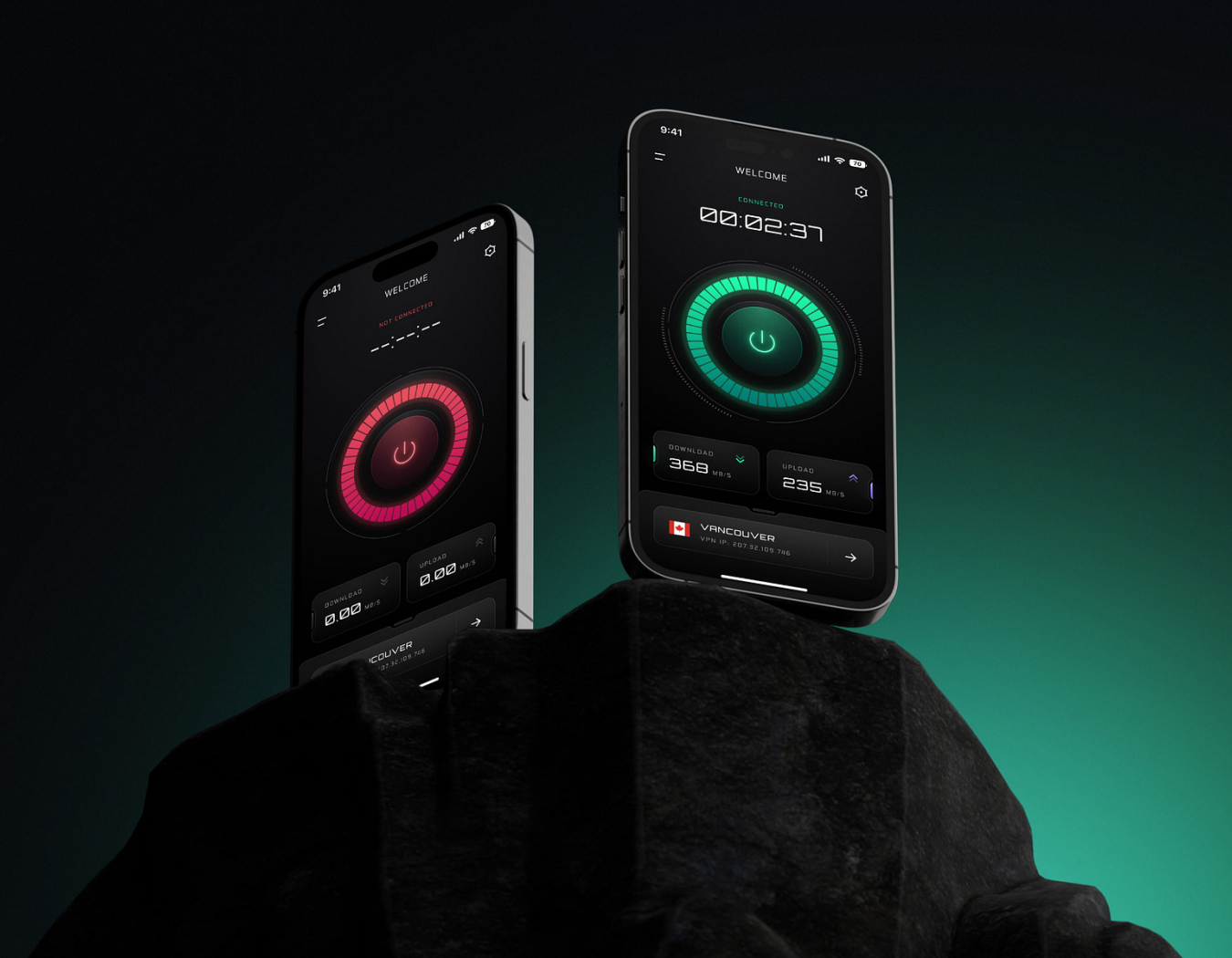
Food Delivery App Development in Nigeria
Food Delivery App Development in Nigeria
The demand for Food Delivery App Development in Nigeria continues to grow as restaurants, food businesses, and customers increasingly rely on digital platforms to order and manage food services. A well-designed food delivery app can connect customers with restaurants, streamline ordering, support payments, coordinate deliveries, and provide businesses with useful operational information.
Nigeria’s growing digital economy has created opportunities for businesses to use mobile technology to improve convenience and reach more customers. Food delivery applications can support restaurants, independent food vendors, delivery riders, and customers through one connected platform.
However, building a successful food delivery application requires more than creating an attractive mobile interface. Developers need to understand user experience, databases, APIs, payment integration, location services, notifications, authentication, testing, and application security.
Deejoft Technologies approaches application development as a technology institute focused on practical learning. Students learn programming, mobile development, databases, APIs, testing, and other skills required to build real-world applications. Through practical projects, learners can apply these skills to industries such as food delivery, e-commerce, education, healthcare, logistics, and real estate.
Why Food Businesses Need Mobile Delivery Applications
Food businesses compete for customers who value convenience.
Customers increasingly want to discover restaurants, browse menus, place orders, make payments, and track deliveries without relying entirely on phone calls or physical visits.
A mobile application can bring these activities together.
Depending on the business model, a food delivery app can allow customers to:
- Browse restaurants
- View menus
- Search for meals
- Filter food options
- Add items to a cart
- Place orders
- Make payments
- Track deliveries
- Save favorite restaurants
- Receive notifications
- Rate orders
Restaurants can also use applications to manage orders, menus, customers, and delivery activities.
For delivery businesses, a dedicated interface can help riders receive orders and update delivery statuses.
What Is Food Delivery App Development?
Food delivery app development involves designing and building digital platforms that allow customers to order food from restaurants or vendors.
A complete platform may contain several applications or interfaces.
Customer App
The customer application allows users to browse restaurants, select meals, place orders, make payments, and monitor deliveries.
Restaurant Dashboard
Restaurants need a way to manage menus, prices, orders, availability, and other information.
This may be a mobile application or web-based dashboard.
Delivery App
Delivery riders can use a separate interface to receive delivery requests, view locations, update order status, and communicate with customers where necessary.
Admin Dashboard
The platform administrator can manage restaurants, customers, riders, orders, payments, promotions, and other platform activities.
These components need to communicate with each other through backend systems and APIs.
Important Features of a Food Delivery Application
A food delivery platform can include many features.
Restaurant Listings
Customers should be able to discover available restaurants and food vendors.
Listings can display:
- Restaurant name
- Location
- Cuisine
- Menu categories
- Ratings
- Delivery information
- Opening hours
Clear listings help users make decisions quickly.
Food Menus
Restaurants need flexible menu management.
A menu can include:
- Food names
- Descriptions
- Prices
- Images
- Categories
- Availability
- Add-ons
Restaurants should be able to update information without requiring developers to modify the application manually.
Search and Filters
A platform may contain hundreds or thousands of food options.
Search functionality allows users to find restaurants and meals quickly.
Filters can include:
- Cuisine
- Price
- Location
- Rating
- Delivery time
- Restaurant type
Shopping Cart
The cart allows users to review selected meals before placing an order.
It should clearly display quantities, prices, additional charges, and the total amount.
Order Management
After customers place orders, the system needs to track the order throughout its lifecycle.
For example:
Order placed → Restaurant confirms → Food prepared → Rider assigned → Order picked up → Order delivered
Each stage can update automatically across the relevant interfaces.
Payment Integration
Customers need convenient payment options.
Depending on the platform, developers may integrate supported payment gateways.
Payment functionality requires careful attention to security, transaction status, failed payments, refunds, and confirmation.
Delivery Tracking
Location features can help customers monitor deliveries.
The application can show relevant delivery information and provide updates as the rider progresses toward the destination.
Push Notifications
Notifications can keep users informed about important order events.
Customers can receive updates when:
- Orders are confirmed
- Food is being prepared
- Riders are assigned
- Orders are picked up
- Deliveries are approaching
- Orders are completed
Restaurants and riders can also receive notifications relevant to their roles.
Skills Needed for Food Delivery App Development
Developers need several technical skills to build food delivery applications effectively.
Programming
Programming provides the foundation for application development.
Students learn concepts such as variables, functions, conditions, loops, objects, classes, and data structures.
Mobile Development
Students learn how to create interfaces and application functionality for mobile devices.
They learn how screens communicate and how users interact with applications.
Database Management
Food delivery platforms handle information about users, restaurants, menus, orders, payments, and deliveries.
Developers need to understand how to store and retrieve this information efficiently.
API Development and Integration
APIs allow different parts of the platform to communicate.
For example, the customer application needs to communicate with the backend to retrieve restaurants and submit orders.
The restaurant interface also needs to receive new orders through the same backend system.
Location Services
Delivery applications often require location functionality.
Developers learn how applications communicate with mapping and location services.
Authentication
Users need secure accounts.
Developers implement registration, login, password management, and appropriate access controls.
Software Used in Food Delivery App Development Training
Deejoft Technologies introduces students to modern development software and technologies that can support food delivery application projects.
Flutter
Flutter allows developers to build applications for multiple platforms using a shared codebase.
Students can use Flutter to create customer and delivery applications for Android and iOS.
Dart
Dart is the programming language used by Flutter.
Students learn Dart before applying it to mobile development projects.
React Native
React Native provides another cross-platform development approach.
It allows developers to build mobile applications using JavaScript and React.
JavaScript
JavaScript is widely used for web and mobile development.
Students can use it when working with React Native and related technologies.
Android Studio
Android Studio provides tools for developing, debugging, and testing Android applications.
Students can use its emulator to test applications across different device configurations.
Xcode
Xcode provides Apple’s development environment for building and testing iOS applications.
Developers working with native iOS technologies commonly use Xcode alongside Swift.
Visual Studio Code
Visual Studio Code is a flexible code editor used with many development technologies.
Students can use it for Flutter, Dart, JavaScript, React Native, HTML, CSS, and other projects.
Firebase
Firebase provides services such as authentication, databases, notifications, analytics, and other backend capabilities.
Students can use Firebase to understand how applications connect to backend services.
Git and GitHub
Git helps developers track changes to their code.
GitHub supports repository management and collaboration.
These tools introduce students to professional version-control practices.
Designing a Good Food Delivery User Experience
Food delivery applications should make ordering simple.
Customers often open an application because they want to complete an order quickly.
Therefore, unnecessary steps can create frustration.
A good user experience should make it easy to:
- Find a restaurant
- Browse the menu
- Select food
- Review the cart
- Enter delivery information
- Choose a payment method
- Place the order
- Track delivery
The interface should also communicate important information clearly.
Customers should know the price, delivery fee, estimated delivery time, and order status before completing their purchase.
Building the Backend
The backend provides the systems that power the application.
It can manage:
- User accounts
- Restaurants
- Menus
- Orders
- Payments
- Delivery information
- Notifications
- Reviews
Students learn how front-end applications communicate with backend services through APIs.
Understanding backend architecture helps developers build applications that can support multiple types of users.
Managing Different User Roles
Food delivery platforms usually have several user types.
Customers
Customers browse food, place orders, make payments, and track deliveries.
Restaurants
Restaurants manage menus and receive orders.
Delivery Riders
Riders receive delivery assignments and update delivery status.
Administrators
Administrators oversee the platform and manage users, restaurants, orders, and other operations.
Each role requires different permissions.
A customer should not be able to modify restaurant menus, while a rider should only access delivery information relevant to assigned orders.
Payment Integration
Payment processing is an important part of food delivery applications.
Developers need to understand how applications communicate with payment services.
A typical payment flow may involve:
- Customer reviews the order.
- Customer selects a payment method.
- Application sends the transaction request.
- Payment service processes the transaction.
- Application receives the transaction status.
- Order status updates accordingly.
Developers must also consider failed payments, duplicate transactions, refunds, and transaction verification.
Location and Delivery Management
Delivery is one of the features that distinguishes food delivery applications from ordinary e-commerce platforms.
The system may need to handle:
- Customer addresses
- Restaurant locations
- Rider locations
- Delivery routes
- Delivery status
- Estimated arrival times
Maps and location services can help connect these components.
Developers should also consider what happens when location information becomes unavailable or inaccurate.
Security in Food Delivery Applications
Food delivery applications can process personal information and payment-related data.
Security should therefore be part of the development process.
Developers should understand:
- Secure authentication
- Authorization
- Input validation
- API security
- Secure data storage
- Session management
- Access controls
- Error handling
Applications should also minimize the amount of sensitive information they expose to users.
Testing a Food Delivery Application
Testing helps developers identify problems before users encounter them.
A food delivery application should be tested across different scenarios.
Functional Testing
Developers verify that features work correctly.
For example, they can test whether customers can add multiple meals to a cart and place an order successfully.
Payment Testing
Developers test successful payments, failed transactions, cancellations, and other payment scenarios.
Location Testing
Developers test how the application behaves when location permissions are denied or network conditions change.
Performance Testing
Developers check how the application performs when many users interact with the platform.
Compatibility Testing
The application should work across supported devices and operating-system versions.
Usability Testing
Developers observe how users interact with the application and identify confusing workflows.
Building a Food Delivery App as a Student Project
Practical projects allow students to combine multiple development skills.
At Deejoft Technologies, learners can use food delivery applications as project ideas.
A student project can include:
- Customer registration
- Restaurant listings
- Food menus
- Shopping cart
- Order management
- Notifications
- Restaurant dashboard
- Delivery interface
- Basic location functionality
Students can begin with a simple application and gradually introduce more advanced features.
This teaches them how to manage increasing technical complexity.
Creating a Portfolio Project
A food delivery application can become an effective portfolio project.
Students can document the development process and explain their decisions.
A portfolio case study can include:
- Project objectives
- Target users
- User flows
- Wireframes
- UI design
- Application architecture
- Database structure
- API integration
- Testing
- Final results
This gives potential employers and clients a clearer understanding of the student’s abilities.
Why Learn App Development at Deejoft Technologies?
Deejoft Technologies is a technology institute that focuses on structured, practical technology education.
Students can build programming foundations before progressing into application development.
The institute introduces learners to modern development tools such as Flutter, Dart, React Native, JavaScript, Android Studio, Xcode, Firebase, Visual Studio Code, Git, and GitHub.
Students also gain practical experience by working on projects.
This approach helps learners understand the complete development process, from identifying a problem to designing, building, testing, and improving a digital solution.
The skills learned through food delivery application projects can also transfer to other industries.
A student who understands how to build an ordering platform can apply similar concepts to e-commerce, pharmacy applications, grocery delivery, restaurant management, logistics, and other digital products.
Career Opportunities in Food Delivery App Development
Mobile development skills can open several career paths.
Graduates can pursue roles such as:
- Mobile app developer
- Flutter developer
- React Native developer
- Software developer
- Front-end developer
- Full-stack developer
- Application support specialist
- Freelance developer
Developers can also specialize in food technology and logistics.
As businesses continue adopting digital ordering systems, developers with relevant skills can contribute to new platforms and existing applications.
How Businesses Can Choose a Food Delivery App Developer
Businesses planning to build a food delivery application should begin by identifying their goals.
Consider whether the platform will serve one restaurant or multiple restaurants.
Then define the target customers, delivery model, payment options, and required features.
Businesses should evaluate developers based on:
- Technical expertise
- Portfolio
- Mobile development experience
- Backend knowledge
- API integration skills
- Security practices
- Testing processes
- Communication
- Maintenance capabilities
Businesses should also ask how the application will handle future growth.
Choosing a developer based only on price can create problems if the application requires major redesigns later.
Frequently Asked Questions
What is Food Delivery App Development in Nigeria?
Food Delivery App Development in Nigeria involves creating mobile and web applications that allow customers to browse food, place orders, make payments, and track deliveries while restaurants and riders manage their respective activities.
How much does it cost to develop a food delivery app in Nigeria?
The cost depends on the number of features, platforms, design complexity, backend infrastructure, payment integrations, location services, user roles, testing requirements, and maintenance needs.
What software is used to build food delivery apps?
Common technologies include Flutter, Dart, React Native, JavaScript, Android Studio, Xcode, Firebase, Visual Studio Code, Git, and GitHub. The specific tools depend on the project’s requirements.
Can beginners learn food delivery app development?
Yes. Beginners can start with programming fundamentals and progress into mobile development, databases, APIs, authentication, payment integration, testing, and other concepts through practical training.
Can a food delivery app support multiple restaurants?
Yes. Developers can design platforms that support multiple restaurants, customers, delivery riders, and administrators. The architecture must include appropriate databases, user roles, permissions, and order-management systems.
Building the Next Generation of Food Delivery Platforms
The growth of digital commerce continues to create opportunities for businesses to improve how customers order food and interact with restaurants. Food Delivery App Development in Nigeria combines mobile development, payment systems, location services, databases, APIs, notifications, and user experience into one practical technology field.
For aspiring developers, learning how these components work together provides valuable experience with real-world software development challenges.
Deejoft Technologies provides an institute-based learning environment where students can build programming and application development skills through structured lessons and practical projects. By working with modern tools such as Flutter, Dart, React Native, JavaScript, Firebase, Android Studio, Visual Studio Code, Git, and GitHub, learners can gain exposure to technologies used in modern application development.
A food delivery application can also serve as a strong portfolio project because it requires developers to solve multiple problems within one platform. Students can demonstrate their ability to manage users, databases, APIs, payments, notifications, interfaces, and application logic.
With continued practice and learning, aspiring developers can build a strong foundation for careers in mobile application development and contribute to Nigeria’s growing digital economy.