
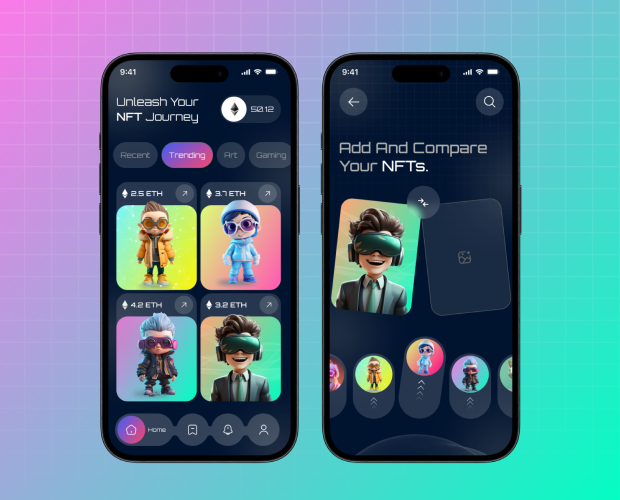
How to become a UI UX designer in Nigeria
How to Become a UI UX Designer in Nigeria: A Complete Guide for Beginners
Introduction
How to become a UI UX designer in Nigeria is one of the most searched career questions among students, graduates, and professionals looking to transition into the fast-growing technology industry. As businesses increasingly invest in digital products, the demand for skilled UI/UX designers continues to rise across Nigeria and beyond. Whether you dream of working for a technology startup, a multinational company, or becoming a freelance designer serving international clients, UI/UX design offers excellent career opportunities.
One of the best ways to begin your journey is by enrolling in a reputable training institute that combines practical learning with mentorship. Deejoft Technologies has established itself as a trusted institute for aspiring UI/UX designers in Nigeria by providing industry-focused training, hands-on projects, and career support that prepares students for real-world opportunities. With the right guidance, commitment, and consistent practice, anyone can build the skills required to thrive in this exciting field.
This comprehensive guide explains everything you need to know about becoming a successful UI/UX designer in Nigeria, including the skills you need, software to master, career opportunities, and the best learning path to follow.
What Is UI/UX Design?
Before learning how to become a UI UX designer in Nigeria, it is important to understand what UI and UX design actually mean.
Although many people use the terms interchangeably, they represent different aspects of digital product design.
What Is User Interface (UI) Design?
User Interface (UI) Design focuses on the visual appearance of digital products such as websites, mobile applications, desktop software, and web applications.
A UI designer is responsible for designing elements like:
- Buttons
- Icons
- Typography
- Color schemes
- Layouts
- Navigation menus
- Forms
- Cards
- Interactive components
Their primary goal is to create interfaces that are visually attractive, easy to understand, and consistent across different screens.
What Is User Experience (UX) Design?
User Experience (UX) Design focuses on how users interact with a product.
Instead of concentrating only on appearance, UX designers aim to solve user problems by improving usability and creating smooth user journeys.
Typical UX responsibilities include:
- User research
- Competitor analysis
- Information architecture
- User journey mapping
- Wireframing
- User testing
- Prototyping
- Product improvement
When UI and UX work together effectively, users enjoy using the product because it is both beautiful and functional.
Why UI/UX Design Is Growing in Nigeria
Nigeria’s technology ecosystem has experienced tremendous growth over the last decade. Fintech companies, e-commerce businesses, healthcare startups, educational platforms, logistics companies, and government digital initiatives all require skilled designers to create products people enjoy using.
Several factors have contributed to the growing demand for UI/UX designers:
- Rapid digital transformation
- Increased smartphone adoption
- Expansion of online businesses
- Growth of fintech startups
- Remote work opportunities
- International outsourcing
Today, Nigerian designers are working with companies in the United States, Canada, the United Kingdom, Europe, and other African countries without leaving Nigeria.
This makes UI/UX design one of the most accessible and rewarding technology careers available today.
Why Choose Deejoft Technologies for UI/UX Design Training?
Choosing the right training institute can significantly influence your success. While many online resources exist, structured learning helps students progress faster and avoid common mistakes.
Deejoft Technologies stands out by offering a practical learning environment where students develop real-world skills instead of only studying theory.
Some advantages include:
Practical Training: How to Become a UI UX Designer in Nigeria
Students learn by designing actual projects rather than merely watching tutorials.
Experienced Instructors
Courses are delivered by professionals who understand current industry practices and modern design workflows.
Project-Based Learning: How to Become a UI UX Designer in Nigeria
Every project completed contributes to a professional portfolio that demonstrates your abilities to employers and clients.
Expert Mentorship on How to Become a UI UX Designer in Nigeria
Students receive guidance throughout their learning journey, helping them overcome challenges and improve continuously.
Career Preparation for How to Become a UI UX Designer in Nigeria
Beyond technical skills, students learn portfolio creation, interview preparation, teamwork, and client communication.
These advantages make Deejoft Technologies an excellent institute for aspiring UI/UX designers in Nigeria.
Essential Skills Every UI/UX Designer Needs
Learning software alone is not enough. Successful designers combine technical knowledge with creativity and problem-solving skills.
User Research
Every successful product begins with understanding users.
Research helps designers answer questions such as:
- Who are the users?
- What problems do they face?
- What are their goals?
- How do they currently solve those problems?
Good research leads to better design decisions.
Wireframing
Wireframes are simple layouts that show the structure of a website or application before visual design begins.
Wireframing helps designers:
- Organize content
- Plan navigation
- Improve usability
- Save development time
Visual Design
Visual design involves creating attractive interfaces using:
- Typography
- Color theory
- Alignment
- White space
- Icons
- Images
- Consistency
An excellent visual designer knows how to balance aesthetics with usability.
Prototyping
Instead of showing static screens, designers create interactive prototypes that simulate how users navigate an application.
Prototypes help identify usability issues before software development begins.
Communication Skills
Designers collaborate with developers, project managers, clients, marketers, and stakeholders.
Being able to explain design decisions clearly is just as important as creating beautiful interfaces.
Problem Solving
Every design project solves a problem.
Successful UI/UX designers think critically and develop solutions that improve the user’s experience instead of simply making screens look attractive.
Software Every UI/UX Designer Should Learn
One of the biggest questions beginners ask is which software they should master first.
Fortunately, modern UI/UX design tools are easier to learn than ever.
1. Figma
Figma has become the industry’s leading UI/UX design software.
It allows designers to:
- Design interfaces
- Create prototypes
- Collaborate in real time
- Build design systems
- Share projects online
Many companies now prefer designers with Figma experience.
2. Adobe XD
Adobe XD provides an intuitive environment for designing websites and mobile applications.
Features include:
- Wireframing
- UI design
- Interactive prototyping
- Collaboration
- Component libraries
Although Figma has become more widely adopted, Adobe XD remains valuable, especially for designers already familiar with Adobe Creative Cloud.
3. Sketch
Sketch is another popular interface design application, particularly among macOS users.
It offers:
- Vector editing
- Reusable symbols
- Plugins
- Design systems
- Interface creation
Many international companies still use Sketch for product design.
4. Adobe Photoshop
Photoshop is useful for:
- Editing images
- Creating graphics
- Mockups
- Social media assets
- Photo manipulation
While it is not primarily a UI design tool, Photoshop remains an important skill for many designers.
5. Adobe Illustrator
Illustrator is ideal for creating:
- Icons
- Logos
- Illustrations
- Vector graphics
- Branding assets
Many UI designers rely on Illustrator when developing scalable design elements.
6. Miro
Miro is widely used during the UX research phase.
It helps teams collaborate by creating:
- User journeys
- Flowcharts
- Brainstorming boards
- Customer maps
- Affinity diagrams
Its collaborative features make remote teamwork much easier.
7. Axure RP
Axure RP is a powerful UX design tool used for creating advanced wireframes, interactive prototypes, and documentation. Unlike many other design tools, Axure allows designers to simulate complex user interactions and workflows without writing code.
Axure RP is commonly used for:
- Advanced wireframing
- Interactive prototypes
- User flow visualization
- Documentation for developers
- Functional product specifications
Learning Axure RP is especially beneficial if you plan to work on enterprise software or large-scale digital products.
Step-by-Step Guide on How to Become a UI UX Designer in Nigeria
If you are wondering how to become a UI UX designer in Nigeria, following a structured learning path will help you progress more efficiently.
Step 1: Understand Design Fundamentals
Start by learning the basic principles of design, including:
- Color theory
- Typography
- Layout and composition
- Visual hierarchy
- Contrast
- Alignment
- Consistency
- White space
These principles form the foundation of every successful digital interface.
Step 2: Learn UI and UX Principles
Next, understand how users interact with digital products.
Study concepts such as:
- User-centered design
- Information architecture
- Accessibility
- User research
- Personas
- User journeys
- Wireframing
- Prototyping
- Usability testing
Understanding these concepts enables you to design products that solve real user problems.
Step 3: Master Industry Software
Focus on becoming proficient with the most widely used tools, especially Figma. As your skills improve, expand your knowledge to include Adobe XD, Illustrator, Photoshop, Framer, Miro, Maze, and other collaborative platforms.
Employers value designers who can adapt to different software environments.
Step 4: Practice Daily
Design is a practical skill that improves through consistent practice.
Challenge yourself by redesigning:
- Banking apps
- Food delivery applications
- Hospital websites
- E-commerce stores
- Educational platforms
- Government portals
Each project strengthens your design thinking and creativity.
Step 5: Build a Professional Portfolio
Your portfolio is often more important than your academic qualifications. Employers want to see evidence of your ability to solve design problems.
A strong portfolio should include:
- Research process
- User personas
- Wireframes
- High-fidelity designs
- Interactive prototypes
- Design systems
- Project outcomes
Quality matters more than quantity.
Step 6: Join a Professional Training Institute
Although self-learning is possible, structured training significantly shortens the learning curve.
At Deejoft Technologies, students receive practical instruction, mentorship, collaborative projects, and constructive feedback. Learning within an organized environment also provides networking opportunities and exposure to current industry practices.
Step 7: Work on Real Projects
Nothing accelerates learning like solving real-world problems.
Look for opportunities to design:
- Personal projects
- Startup products
- School portals
- Church websites
- NGO platforms
- Small business websites
These experiences prepare you for professional work.
Step 8: Apply for Internships
Internships allow beginners to gain industry experience while working alongside experienced professionals.
During an internship, you learn:
- Team collaboration
- Design reviews
- Client communication
- Agile workflows
- Product development processes
These experiences make you more competitive in the job market.
Step 9: Keep Learning
Technology evolves continuously. Successful UI/UX designers regularly update their knowledge by following design trends, attending webinars, reading industry blogs, participating in design communities, and experimenting with new tools.
Continuous improvement is essential for long-term career success.
Career Opportunities for UI/UX Designers in Nigeria
The demand for skilled UI/UX designers extends across multiple industries.
Career opportunities include:
- Product Designer
- UI Designer
- UX Designer
- UX Researcher
- Interaction Designer
- Mobile App Designer
- Web Designer
- Design System Specialist
- Visual Designer
- Information Architect
Beyond traditional employment, many Nigerian designers build successful freelance businesses or secure remote positions with international organizations.
Why Employers Value UI/UX Designers in Nigeria
Businesses understand that excellent design directly influences customer satisfaction, retention, and revenue.
A skilled UI/UX designer helps organizations:
- Improve customer satisfaction
- Increase product usability
- Reduce user frustration
- Improve conversion rates
- Strengthen brand perception
- Reduce development costs through early testing
- Increase customer loyalty
As digital competition continues to grow, organizations increasingly recognize design as a strategic business investment rather than merely an aesthetic consideration.
Frequently Asked Questions (FAQs)
1. Can I become a UI/UX designer without a degree?
Yes. Your skills and portfolio matter more than your academic qualification.
2. How long does it take to learn UI/UX design in Nigeria?
Most beginners become job-ready within 6–12 months with consistent practice. Learning speed depends on your dedication and training.
3. Which software should I learn first as a UI/UX designer?
Start with Figma because it is the most widely used UI/UX design tool. You can later learn Adobe XD, Photoshop, Illustrator, Framer, and other industry tools.
4. Is UI/UX design a good career in Nigeria?
Yes. The demand for skilled UI/UX designers continues to grow across startups, businesses, and international companies.
5. Why should I choose Deejoft Technologies?
Deejoft Technologies offers practical, project-based UI/UX training with mentorship. Students also receive guidance on building portfolios and preparing for career opportunities.
Conclusion
Choosing the right institute is a crucial step in learning how to become a UI UX designer in Nigeria, and Deejoft Technologies offers the practical training needed to help you succeed. With experienced instructors, hands-on projects, mentorship, and training on industry-standard tools such as Figma, Adobe XD, Adobe Photoshop, Adobe Illustrator, Framer, and Miro, students gain the skills required to meet the demands of today’s technology industry. The institute also emphasizes portfolio development and real-world experience, ensuring graduates are well-prepared for internships, full-time roles, freelance opportunities, and remote jobs. If you are looking for a supportive learning environment that combines quality education with career-focused training, Deejoft Technologies is an excellent choice to start your journey toward becoming a successful UI/UX designer in Nigeria.