
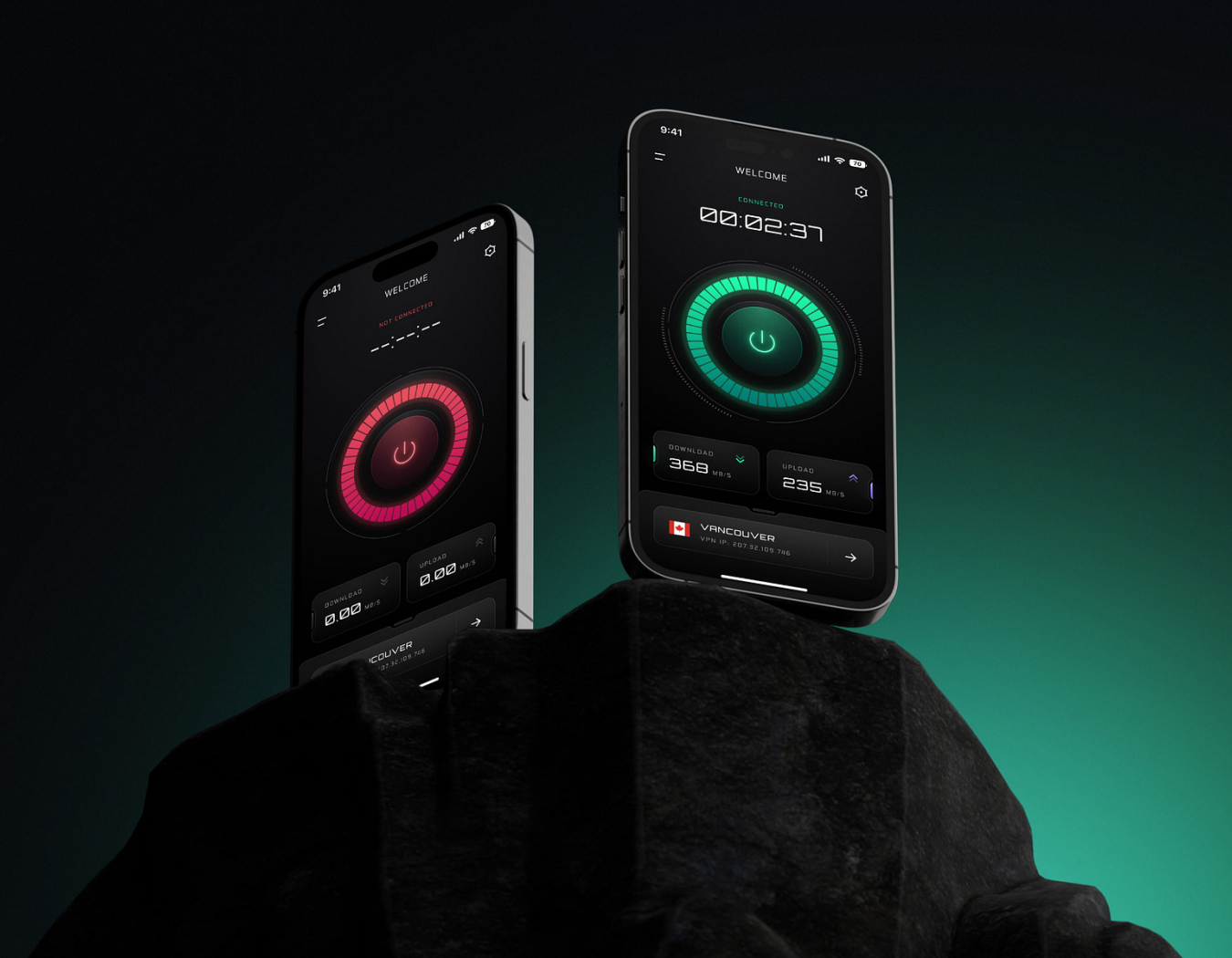
Professional iOS App Development Company in Nigeria
Professional iOS App Development Company in Nigeria
The demand for mobile applications continues to grow as Nigerian businesses use digital platforms to improve customer service, streamline operations, and expand their reach. An iOS application can help businesses connect with customers who use Apple devices while providing a controlled and polished mobile experience. Finding a Professional iOS App Development Company in Nigeria can therefore be important for businesses that want to build reliable applications for the iPhone and iPad ecosystem.
However, successful iOS development involves more than creating attractive screens. Developers need to understand programming, user experience, application architecture, databases, APIs, testing, security, and deployment. They must also understand Apple’s development environment and the requirements associated with publishing applications.
Deejoft Technologies is a technology institute that teaches students practical software development skills. Through structured lessons and hands-on projects, students can learn the fundamentals of iOS development, Swift programming, interface design, APIs, databases, testing, version control, and other skills required to create modern applications.
What Is iOS App Development?
iOS app development involves creating applications for Apple’s mobile operating systems and devices.
Developers can create applications for devices such as:
- iPhones
- iPads
- Apple Watches
- Apple TV
For mobile application development, iPhone and iPad applications are among the most common projects.
Apple provides development tools and frameworks that allow developers to build applications with features such as authentication, notifications, payments, location services, media, messaging, and data storage.
The development process usually involves planning, design, coding, testing, debugging, and deployment.
Why Businesses Need iOS Applications
Businesses can use iOS applications to provide customers with convenient access to their products and services.
An application can help businesses:
- Improve customer engagement
- Provide personalized experiences
- Offer mobile services
- Increase customer retention
- Accept payments
- Send notifications
- Collect customer feedback
- Manage accounts
- Automate certain processes
For example, an e-commerce company can create an iOS application that allows customers to browse products, make payments, and track orders.
A healthcare organization could create an application for appointments and reminders.
A financial technology company could provide account management and transaction services.
The features depend on the organization’s goals.
What Does an iOS App Development Company Do?
An iOS development company helps businesses transform application ideas into functional products.
The process can include:
- Understanding business requirements
- Researching target users
- Planning application features
- Designing the interface
- Developing the application
- Connecting APIs and databases
- Testing the application
- Fixing technical issues
- Preparing the application for deployment
- Providing maintenance and updates
A professional development process focuses on the complete product rather than only the coding stage.
Skills Required for iOS App Development
A developer needs several technical and practical skills to build reliable iOS applications.
Swift Programming
Swift is Apple’s modern programming language for application development.
Developers use Swift to create application logic and implement functionality.
Students need to understand concepts such as:
- Variables
- Constants
- Data types
- Functions
- Classes
- Structures
- Collections
- Error handling
- Asynchronous programming
A strong foundation in Swift helps developers create organized applications.
SwiftUI
SwiftUI is Apple’s framework for building user interfaces using Swift.
It allows developers to create interfaces using a declarative approach.
Students can learn how to build:
- Buttons
- Forms
- Lists
- Navigation
- Cards
- Menus
- Interactive screens
UIKit
UIKit is another important framework used for iOS application development.
Although SwiftUI has become increasingly popular, understanding UIKit can help developers work with existing applications and more established development workflows.
Software Used in iOS App Development
Deejoft Technologies introduces students to software and technologies used in modern application development.
Xcode
Xcode is Apple’s integrated development environment for creating applications for its platforms.
Developers use Xcode to:
- Write code
- Design interfaces
- Build applications
- Run simulations
- Debug applications
- Test projects
- Prepare applications for distribution
Learning Xcode is essential for students who want to develop native iOS applications.
Swift
Swift is Apple’s programming language for modern iOS development.
Students learn Swift programming before applying it to complete mobile projects.
SwiftUI
SwiftUI provides tools for creating modern user interfaces.
Students can use it to create responsive screens and reusable interface components.
UIKit
UIKit provides another set of tools for building iOS interfaces.
Learning UIKit can give students a broader understanding of Apple’s mobile development ecosystem.
Firebase
Firebase provides services such as:
- Authentication
- Databases
- Cloud messaging
- Analytics
- Cloud storage
Developers can connect iOS applications to Firebase services when appropriate.
Git
Git helps developers track changes to their source code.
It allows developers to create branches, review changes, and return to previous versions when necessary.
GitHub
GitHub provides repository hosting and collaboration tools.
Students can use GitHub to store projects, collaborate with other developers, and build a portfolio.
Postman
Postman helps developers test APIs.
Because mobile applications often communicate with backend systems, understanding API requests and responses is an important development skill.
Visual Studio Code
Visual Studio Code is a popular code editor that can support related development tasks, documentation, web development, and backend projects.
Understanding Apple’s Development Environment
Developers who want to build iOS applications need to understand Apple’s development ecosystem.
Xcode provides the primary environment for building and testing applications.
The simulator allows developers to test applications on virtual Apple devices.
Developers can also connect physical devices for testing.
Understanding the development environment helps students identify problems before applications reach users.
Designing iOS User Interfaces
User experience is an important part of application development.
An iOS application should be easy to navigate and understand.
Developers should consider:
- Navigation
- Typography
- Spacing
- Buttons
- Forms
- Icons
- Screen layouts
- Accessibility
A good interface should make important actions easy to find.
For example, an e-commerce application should make product discovery and checkout straightforward.
A banking application should make account information and transactions easy to access.
Building Custom iOS Applications
Businesses often require features that are specific to their operations.
A custom iOS application may include:
- User accounts
- Customer dashboards
- Product catalogues
- Booking systems
- Payment features
- Messaging
- Notifications
- Maps
- Analytics
Developers need to understand the business requirements before implementing these features.
The application should solve a specific problem rather than simply contain a large number of features.
iOS Applications for E-commerce
E-commerce businesses can use iOS applications to create direct shopping experiences.
Features can include:
- Product browsing
- Search
- Product categories
- Shopping carts
- Wishlists
- Checkout
- Payments
- Order tracking
- Notifications
A well-designed shopping application can make it easier for returning customers to purchase products.
Developers can also integrate backend services to manage product information and orders.
iOS Applications for Fintech
Fintech companies can create iOS applications for digital financial services.
An application might support:
- Account management
- Transaction history
- Payments
- Transfers
- Notifications
- Authentication
Financial applications require careful attention to security.
Developers should understand secure authentication, authorization, data protection, and safe communication between the application and backend systems.
iOS Applications for Healthcare
Healthcare organizations can use applications to improve access to services.
Possible features include:
- Appointment scheduling
- Patient profiles
- Doctor directories
- Reminders
- Notifications
- Payments
- Communication
Developers should carefully consider privacy when handling sensitive information.
Access controls should ensure that users only see information they are authorized to access.
iOS Applications for Education
Educational organizations can use iOS applications to provide students with digital services.
Applications may include:
- Course information
- Learning materials
- Assessments
- Student profiles
- Notifications
- Progress tracking
These applications can give students convenient access to educational resources through supported Apple devices.
iOS Applications for Logistics
Logistics businesses can use mobile applications to manage deliveries and shipments.
An iOS application can support:
- Driver accounts
- Delivery assignments
- Shipment tracking
- Location services
- Customer notifications
- Delivery confirmation
Developers can integrate mapping and location services where required.
Connecting iOS Applications to APIs
Most modern applications need to communicate with backend services.
For example, a mobile shopping application can request product information from an API.
The process can involve:
- The user selects a product category.
- The application sends an API request.
- The backend processes the request.
- The server returns product information.
- The application displays the results.
Developers must also handle situations where the API fails.
The application should provide useful feedback when the network is unavailable or a request cannot be completed.
Database Management
Applications often need databases to store information.
A database may contain:
- User accounts
- Products
- Orders
- Transactions
- Messages
- Appointments
- Reviews
Developers should understand how applications retrieve, create, update, and delete data.
They should also consider database structure and performance as the application grows.
Authentication and User Management
Many iOS applications require users to sign in.
Authentication helps verify a user’s identity.
Applications can support:
- Email and password
- Phone verification
- One-time passwords
- Social authentication
- Biometrics
The appropriate authentication method depends on the application’s requirements.
Developers also need to understand authorization.
Authentication determines who a user is, while authorization determines what that user can access.
Security in iOS Applications
Security should be considered from the beginning of development.
Developers should understand:
- Secure authentication
- Authorization
- Input validation
- Secure API communication
- Access controls
- Secure data storage
- Session management
Applications should also avoid exposing sensitive information through logs or insecure storage.
Security testing can help identify weaknesses before deployment.
Testing iOS Applications
Testing is essential for application quality.
Functional Testing
Developers check whether features work as expected.
UI Testing
Developers test how users interact with screens and controls.
Device Testing
Applications should be tested across supported devices and operating system versions.
Performance Testing
Developers check application responsiveness and resource usage.
API Testing
Developers verify that communication between the application and backend works correctly.
Security Testing
Testing can identify weaknesses in authentication, authorization, data handling, and API communication.
Debugging iOS Applications
Developers encounter errors during development.
Debugging helps them identify the cause and correct the problem.
Developers can:
- Review error messages
- Inspect application behaviour
- Check API responses
- Test individual components
- Review logs
- Reproduce problems
Strong debugging skills are important because fixing problems is a normal part of software development.
Designing for Nigerian Users
Businesses building iOS applications for Nigerian users should consider local conditions.
Developers should think about:
- Network reliability
- Mobile data usage
- Device compatibility
- Application performance
- Local payment options
- User expectations
Although iOS users generally have access to Apple devices, the range of devices and operating system versions still needs consideration.
Applications should also provide useful feedback when network connectivity is interrupted.
Building an iOS Project at Deejoft Technologies
Deejoft Technologies gives students opportunities to apply their knowledge through practical projects.
A student project can begin with a simple business problem and progress through the full development process.
Students can:
- Identify a problem
- Define target users
- Research requirements
- Plan application features
- Create wireframes
- Design interfaces
- Learn Swift
- Build screens with SwiftUI or UIKit
- Connect APIs
- Manage data
- Test the application
- Debug problems
- Present the final project
This approach allows students to develop several related skills through one practical application.
Building a Strong iOS Development Portfolio
A portfolio can help demonstrate practical development ability.
Students can document their projects with:
- Project objectives
- Target audience
- User journeys
- Wireframes
- Interface designs
- Technology choices
- Application architecture
- API integration
- Database design
- Testing
- Challenges
- Final results
A well-documented project can show potential employers or clients how a developer approaches real problems.
Why Learn iOS Development at Deejoft Technologies?
Deejoft Technologies is a technology institute that focuses on practical technology education.
Students can begin with programming fundamentals before progressing into Swift, SwiftUI, UIKit, APIs, databases, authentication, testing, and version control.
The institute introduces learners to tools such as Xcode, Swift, SwiftUI, UIKit, Firebase, Git, GitHub, Postman, and related development technologies.
Students also gain practical experience through projects.
Rather than learning only theoretical concepts, students can work through the stages involved in building functional applications.
These projects can cover different industries, including fintech, e-commerce, healthcare, logistics, education, real estate, and other sectors.
Practical development experience can help students build confidence and create portfolio projects.
Career Opportunities in iOS Development
Learning iOS development can lead to several technology career paths.
Graduates can pursue roles such as:
- iOS developer
- Swift developer
- Mobile app developer
- Software developer
- Application developer
- Front-end developer
- Freelance iOS developer
- Mobile software engineer
With experience, developers can progress into senior development, technical leadership, application architecture, or product development.
How Businesses Can Choose an iOS Development Partner
Businesses searching for a Professional iOS App Development Company in Nigeria should consider several factors before selecting a development partner.
They should evaluate:
- iOS development experience
- Swift knowledge
- SwiftUI and UIKit experience
- Portfolio quality
- UI/UX capabilities
- Backend integration
- API development
- Database knowledge
- Security practices
- Testing processes
- Maintenance support
Businesses should also explain their goals clearly.
The development team needs to understand the problem the application should solve before deciding which features to build.
A strong development partner should also consider future updates and scalability.
Frequently Asked Questions
What does a Professional iOS App Development Company in Nigeria do?
A Professional iOS App Development Company in Nigeria creates and maintains applications for Apple’s mobile platforms. It can handle planning, design, development, testing, deployment, and maintenance.
How much does iOS app development cost in Nigeria?
The cost varies depending on the application’s features, design, backend requirements, integrations, security needs, testing, and maintenance requirements.
What software is used for iOS app development?
Common tools include Xcode, Swift, SwiftUI, UIKit, Firebase, Git, GitHub, Postman, and other development and testing tools.
Can beginners learn iOS app development?
Yes. Beginners can start with programming fundamentals and gradually learn Swift, SwiftUI, application architecture, APIs, databases, testing, and deployment.
Is iOS development a good career in Nigeria?
iOS development can provide opportunities for developers who build strong technical and problem-solving skills. Developers can work with companies, startups, agencies, or freelance clients.
Start Your iOS Development Journey
If you want to learn the skills needed to build professional iOS applications, Deejoft Technologies provides practical training that takes learners from programming fundamentals into modern mobile development.
Join Deejoft Technologies to learn Swift and iOS development, build practical projects, strengthen your portfolio, and prepare for opportunities to create mobile applications for Nigerian businesses and startups.